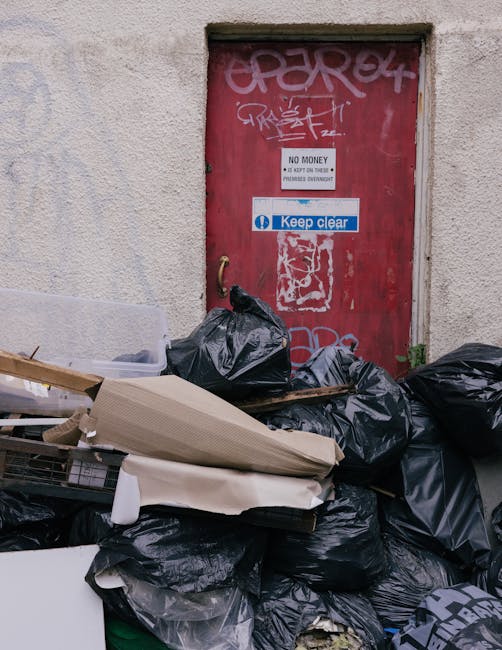
Kingsland High Street flats rubbish removal Dalston guide
If you live in a flat off Kingsland High Street, you already know the routine: narrow stairwells, shared entrances, awkward corners, and that one bulky item everyone keeps stepping around. Add a bin store that is already full, and rubbish removal starts to feel less like a chore and more like a small logistical puzzle. This Kingsland High Street flats rubbish removal Dalston guide is here to make that puzzle easier to solve.
Whether you are clearing after a tenancy, getting rid of old furniture, dealing with a loft or cupboard build-up, or simply trying to restore some order, the right approach saves time, reduces stress, and helps you avoid mistakes that can cost more later. Let's face it, in a busy part of Dalston you want the job done properly, quietly, and without turning the hallway into a mess.
In this guide, you will find a practical breakdown of how flat rubbish removal works, what to expect, what to watch out for, and how to choose a sensible, trustworthy service. You will also find a checklist, a comparison table, and a real-world example so you can make a confident decision rather than a rushed one.
Table of Contents
- Why Kingsland High Street flats rubbish removal Dalston guide Matters
- How Kingsland High Street flats rubbish removal Dalston guide Works
- Key Benefits and Practical Advantages
- Who This Is For and When It Makes Sense
- Step-by-Step Guidance
- Expert Tips for Better Results
- Common Mistakes to Avoid
- Tools, Resources and Recommendations
- Law, Compliance, Standards, or Best Practice
- Options, Methods, or Comparison Table
- Case Study or Real-World Example
- Practical Checklist
- Conclusion
- Frequently Asked Questions
Why Kingsland High Street flats rubbish removal Dalston guide Matters
Flats on or near Kingsland High Street come with a very specific set of rubbish-removal challenges. Space is tight. Lifts may be small or absent. Staircases can be narrow. Shared corridors mean you cannot just leave things anywhere and hope for the best. And in a street like this, timing matters too, because access, neighbours, and traffic all affect how smoothly a clearance goes.
That is why a proper flats rubbish removal plan matters. It is not just about getting rid of stuff. It is about doing it in a way that respects the building, the neighbours, and your own time. If you are dealing with bags, broken furniture, old appliances, or mixed household waste, a structured approach can prevent half the headaches before they even start.
There is also a practical side many people overlook: the difference between a tidy flat and one that feels permanently cluttered can be surprisingly big. A cleared hallway opens up light. A cleared living room feels calmer. Even a small one-bed flat can suddenly feel manageable again. That sounds simple, but anyone who has lived through a full clear-out knows it really does change the mood of the place.
Key takeaway: in busy Dalston flats, rubbish removal is as much about access, planning, and responsibility as it is about lifting things out of the door.
How Kingsland High Street flats rubbish removal Dalston guide Works
Most flat rubbish removal jobs follow a fairly straightforward pattern, but the details matter. A good service will usually begin with an assessment of the volume, type of waste, and access conditions. That means looking at stairs, lift size, parking restrictions, and whether items need dismantling before they can be removed safely.
For many flats, especially older ones, the first step is deciding what counts as general household rubbish, what is reusable, and what might need special handling. Mixed loads are common. A cupboard clear-out, for example, might contain cardboard, textiles, broken shelving, and the odd item you forgot existed. It happens more often than people admit.
In practice, a removal team will usually:
- arrive at the agreed time window
- confirm the items to be taken
- check access and protection needs
- remove waste safely from the flat
- sort items for appropriate disposal or recycling
- leave the area swept or tidied where possible
Some jobs are quick and neat, while others require careful manoeuvring and a bit of patience. If a sofa is wedged in a hallway or a washing machine needs two people and a proper route out, that is normal. The important thing is that the process is planned, not improvised while standing in the corridor at 8:30 in the morning.
If you want to understand the wider standards behind a professional service, it is worth reading the site's own trust pages such as health and safety policy and insurance and safety information. They are useful because they show how a provider thinks about safe handling, building protection, and risk.
Key Benefits and Practical Advantages
The obvious benefit is that your rubbish disappears. The less obvious benefits are often the ones people appreciate most afterwards. A cleaner flat is easier to live in, easier to clean, and easier to show if you are preparing for a tenancy handover or sale.
Here are the main advantages of using a professional flat rubbish removal service in Dalston:
- Less disruption: items are moved efficiently, which matters when neighbours share walls, stairs, and entrances.
- Better access handling: awkward layouts, corners, and narrow passages are dealt with by people used to working in flats.
- Reduced physical strain: no dragging heavy items downstairs on your own.
- More responsible disposal: recyclables and reusable items can be separated more sensibly.
- Faster turnaround: useful when you are on a deadline for moving, letting, or clearing space.
There is also a reassurance factor. When you are juggling work, transport, and a pile of unwanted things in a flat that never quite feels big enough, having a clear plan makes a real difference. You know what is going, when it is going, and what will be left behind. That certainty counts for a lot.
Practical summary: the best rubbish removal jobs in flats are the ones that feel calm at the point of collection. No rushing, no guesswork, no corridor chaos.
Who This Is For and When It Makes Sense
This kind of service suits a wide range of people. Some are dealing with a full flat clearance after moving out. Others have built up general waste, old bits of furniture, or packaging that is too bulky for standard disposal. Some just want to reclaim a room that has slowly become the storage zone nobody talks about.
It is especially useful if you are:
- moving into or out of a flat on Kingsland High Street
- clearing after a tenant or short-let stay
- replacing old furniture or appliances
- dealing with a loft, balcony, or cupboard full of mixed items
- preparing for refurbishment or decorating
- trying to free up space before visitors, inspections, or photography
It also makes sense when the job is more than your usual weekly rubbish but less than a full renovation. That middle ground is where a lot of people get stuck. The council bin is not enough. A skip may be overkill. And carrying several bulky items through a shared stairwell is, frankly, the kind of idea you only enjoy until the first lift ride.
If you are comparing your options, you may also want to review pricing and quote information so you can match the service to the size and complexity of the job rather than guessing.
Step-by-Step Guidance
If you want a smooth removal, a little preparation goes a long way. Here is a simple, practical sequence that works well for most flat clear-outs.
1. Separate what is staying from what is leaving
This sounds obvious, but it is where many jobs go off track. Before anyone arrives, mark the items that must go. Put keepers in a different room if you can. A strip of tape, a note on the door, or a separate pile helps avoid mistakes, especially in smaller flats where everything sits close together.
2. Group waste by type
Try to gather cardboard, furniture, bagged rubbish, electrical items, and mixed clutter into rough groups. You do not need perfect sorting, just enough structure to make loading faster and recycling more sensible.
3. Check access in advance
Ask yourself the practical questions. Is there parking nearby? Does the lift work? Is there a code for the front door? Are there timing rules in the building? These small details can save a surprising amount of hassle. One missing access code can turn a ten-minute arrival into a very awkward wait in the hallway.
4. Measure awkward items
If you are getting rid of a wardrobe, sofa, mattress, or white goods, measure doorways and stair turns if you are unsure. Sometimes an item can be removed as is. Sometimes it needs to be dismantled. Better to know before collection day than discover it while wedging one end around a banister.
5. Book the right level of service
Not every collection needs the same vehicle size or labour. A few bin bags need a different setup from a full two-room flat clear-out. Being clear about volume helps the provider plan properly and avoids surprise extra cost later.
6. Keep the route clear
On the day, open routes through the flat if you can. Move plant pots, loose rugs, or fragile ornaments out of the way. It only takes a few minutes and makes the whole process safer.
7. Do a final walkthrough
Before the team leaves, check cupboards, balcony corners, and behind doors. People often forget one last box in the back of a wardrobe. It is amazing how often that happens.
Expert Tips for Better Results
A few small choices can make the difference between a stressful job and a surprisingly tidy one. In our experience, the best removals feel almost boring because everything was prepared beforehand. Boring is good here.
- Book earlier in the day if possible: it gives more flexibility if parking or access takes longer than expected.
- Photograph larger items: it helps with quoting and avoids misunderstandings.
- Keep a "do not touch" zone: especially useful when flatmates or family members are involved.
- Ask about recycling separation: mixed waste is common, but it is still sensible to ask how different materials will be handled.
- Make lift use easier: if the building has a lift, be considerate. Hold doors, avoid blocking, and keep the load manageable.
A small but valuable tip: if you know the job is likely to involve lots of bags, use consistent bag sizes where possible. It sounds trivial, but standard-sized bags stack and move better. Oddly shaped bundles do not. And yes, one tiny bag always ends up hiding behind something and causing a last-minute panic.
If you care about how waste is handled after collection, have a look at the site's recycling and sustainability approach. It is a useful way to judge whether the service takes responsible sorting seriously, rather than treating everything as one giant black bin bag.
Common Mistakes to Avoid
Most flat rubbish removal problems come from rushing, not from the actual lifting. A few avoidable mistakes show up again and again.
- Leaving the booking too late: if you have a move-out date, do not leave clearance to the final afternoon.
- Not checking building rules: some flats have access windows or restrictions that affect collections.
- Mixing keep and remove items: this creates confusion and can lead to accidental disposal.
- Underestimating volume: a room full of clutter always looks smaller until it is bagged and stacked.
- Ignoring heavy or awkward items: wardrobes, divans, and appliances need thought, not optimism.
- Forgetting about shared areas: hallways and landings should be kept clear at all times.
Another common mistake is assuming all rubbish is the same. It is not. Some items may require special handling, and some may simply need extra care because they are bulky or fragile. If you are ever unsure, ask before moving everything to the lobby. That one bit of caution can save a lot of embarrassment.
Tools, Resources and Recommendations
You do not need a van full of kit to prepare a flat for rubbish removal, but a few simple tools help a lot.
- Marker tape or labels: for separating items to keep and items to remove.
- Sturdy bags or boxes: useful for loose clutter, books, textiles, and household waste.
- Basic screwdriver set: handy if a shelf, bed frame, or table needs minor dismantling.
- Gloves: sensible for dusty cupboards, old furniture, or sharp-edged packaging.
- Measuring tape: ideal for checking doors, lifts, and awkward furniture dimensions.
- Phone camera: useful for recording what needs to go and tracking the before-and-after difference.
On the planning side, the most useful resources are often the straightforward ones: a clear quote page, a provider's safety and insurance information, and their complaint process if you ever need reassurance about standards. You can find all of those on the site, including about the company, contact options, and the complaints procedure. That may sound administrative, but it tells you a lot about how seriously a business treats service and accountability.
Law, Compliance, Standards, or Best Practice
For rubbish removal in flats, the main compliance issue is simple: waste should be handled responsibly and not fly-tipped, dumped in communal areas, or mixed carelessly with items that need special attention. In the UK, householders also have a basic responsibility to ensure their waste is passed to a legitimate carrier and does not end up being abandoned somewhere it should not be. That is the plain-English version, and it matters.
For shared buildings on Kingsland High Street, good practice also means respecting access, fire routes, and communal spaces. You should not leave items in hallways "just for a minute" if those areas are shared. To be fair, people do it when they are desperate, but it is still best avoided. Fire doors, corridors, and exits are not temporary storage.
If you are hiring a provider, it is sensible to check that they work safely, carry appropriate insurance, and explain how items are loaded and transported. Those are not flashy details, but they are the ones that protect you if something goes wrong. A trustworthy service should be transparent about this kind of thing rather than vague and cheerful.
Another good sign is a clear explanation of payment terms and how quotes are formed. If you want that extra reassurance, read the site's payment and security page and terms and conditions. Simple, yes, but useful. Very useful.
Options, Methods, or Comparison Table
Not every clear-out needs the same method. Depending on what you are removing, one option may suit your flat better than another. Here is a practical comparison.
| Method | Best for | Strengths | Possible drawbacks |
|---|---|---|---|
| DIY waste trips | Very small amounts of rubbish | Low upfront cost, simple for bagged waste | Time-consuming, tiring, awkward with bulky items |
| Self-hired van or moving help | Mixed items and larger loads | Flexible, useful for furniture | Parking, loading, and disposal still fall on you |
| Professional rubbish removal | Flat clear-outs, bulky items, urgent jobs | Fast, organised, less physical effort | Usually costs more than doing it yourself |
| Skip hire | Projects with ongoing waste | Good for longer jobs with steady waste volume | Often awkward for flats, permits and access can be tricky |
For many Kingsland High Street flats, professional removal is often the most practical route because access is the main issue. A skip outside can make sense for a bigger project, but for a flat in a busy street, the combination of space, parking, and convenience usually points in another direction.
Case Study or Real-World Example
A fairly typical Dalston flat clear-out might look like this. A tenant in a third-floor flat near Kingsland High Street has a sofa, two broken dining chairs, several bagged items, some packing cardboard, and a small pile of random storage clutter from a cupboard that has somehow become a time capsule. Not glamorous. Very normal.
The first challenge is access. The stairwell is narrow, the lift is small, and the front door is shared with other residents coming and going. The tenant sets aside the items to keep, labels a few boxes, and clears the hallway before collection. That alone makes the job much easier.
On the day, the team removes the sofa first because it is the biggest obstacle. The chairs follow, then the bagged waste, then the mixed clutter from the cupboard. The cardboard is separated where possible, and the flat is left with open floor space again. Nothing magical happened. Just a sensible sequence, good communication, and no panic at the last minute.
What stood out most in that kind of job is usually the feeling afterwards. The flat sounds different. You can hear your own footsteps without stepping over piles of stuff. The room feels less compressed. It is a small thing, but on a busy London street, that mental relief matters more than people expect.
Practical Checklist
Use this checklist before booking or on the morning of collection. It keeps the job tidy and helps avoid those annoying little oversights.
- Identify all items that need to go
- Move keep items into a separate room or corner
- Check lift access, stair width, and entry codes
- Confirm parking or stopping arrangements if relevant
- Measure bulky furniture and appliances if needed
- Put loose rubbish into manageable bags or boxes
- Keep shared hallways clear
- Check for anything fragile, valuable, or personal
- Ask how mixed items will be handled
- Review pricing, payment, and terms before the visit
One-line reminder: a ten-minute tidy-up before collection can save a surprisingly messy half-hour later.
Conclusion
Kingsland High Street flats rubbish removal in Dalston is really about planning well, respecting the building, and choosing a method that suits tight urban living. If you get the basics right, the rest becomes much easier: fewer delays, fewer surprises, and a much cleaner result.
The best outcomes usually come from straightforward habits: separate items early, check access, keep communal areas clear, and use a provider that is transparent about safety, insurance, pricing, and disposal. Nothing fancy. Just solid, careful work done properly.
If you are ready to clear space and want the process to feel simple rather than stressful, take the next step and speak to a team that understands flats, stairwells, and the day-to-day realities of Dalston living.
Get a free quote today and see how much you can save.
And if you are doing this on a wet weekday morning with a coffee in one hand and a box of old cables in the other, well, you are not alone. It gets sorted.
Frequently Asked Questions
What is the best way to arrange rubbish removal for a flat on Kingsland High Street?
The best approach is to separate what is going, check access in advance, and book a service that can handle flats rather than only ground-floor properties. Tight stairways and shared entrances make planning more important than speed.
Can bulky furniture be removed from a Dalston flat?
Yes, usually. Sofas, wardrobes, beds, and similar items can often be removed, though some may need dismantling if doors, stair turns, or lift sizes are restrictive. It is wise to mention dimensions before collection.
How do I know if my rubbish needs special handling?
If you have electrical items, sharp materials, or anything unusual mixed into the load, mention it when booking. Most standard household waste is straightforward, but not everything should be treated the same way.
Is flat rubbish removal cheaper than hiring a skip?
It depends on volume, access, and how long the waste will take to remove. For flats, professional removal is often better value because it reduces the hassle of parking, loading, and disposal. A skip can make sense for larger ongoing projects, though.
What should I do before the removal team arrives?
Clear the route, set aside items to keep, and check access details such as entry codes and lift availability. A little preparation usually makes the visit quicker and more efficient.
Do I need to sort recyclable items first?
You do not always need to sort everything perfectly, but separating obvious recyclables such as cardboard or clean metals can help. Many services will sort materials further during processing.
What happens if my flat has no lift?
No lift is common in London flats, so it is not unusual. The main thing is to say so in advance. Stairs affect labour, timing, and the overall plan, especially for heavy items.
Can rubbish be left in the communal hallway before collection?
Usually it is better not to leave items in shared areas unless the building rules explicitly allow it for a short, agreed period. Hallways and fire routes should remain clear.
How do I avoid damage to walls or floors during removal?
Choose a provider that understands building care and ask how they handle awkward items. Padding, careful lifting, and planned routes all help reduce scuffs and bumps.
What if I am clearing a flat after a tenancy ends?
In that case, timing matters even more. Try to book early enough to leave room for a final inspection or clean. A last-minute rush is where mistakes happen, and nobody enjoys that.
Where can I check company policies before booking?
You can review helpful trust pages such as the about page, health and safety policy, insurance and safety information, and payment and security details before making a decision.
How soon can rubbish removal be arranged in Dalston?
Availability depends on workload and the size of the job, but flat rubbish removal is often arranged relatively quickly when access details are clear. If you have a deadline, mention it early so planning is easier.
What is the most common mistake people make with flat clear-outs?
Probably underestimating how long access and sorting will take. The actual lifting is only part of the job. The smoothest clear-outs are the ones where the flat has been prepared properly beforehand.
If you still have questions after reading, the simplest next step is to review the provider's service pages and get in touch through the contact options when you are ready. A calm, well-planned clearance can make the whole flat feel different, and that relief is worth getting right.