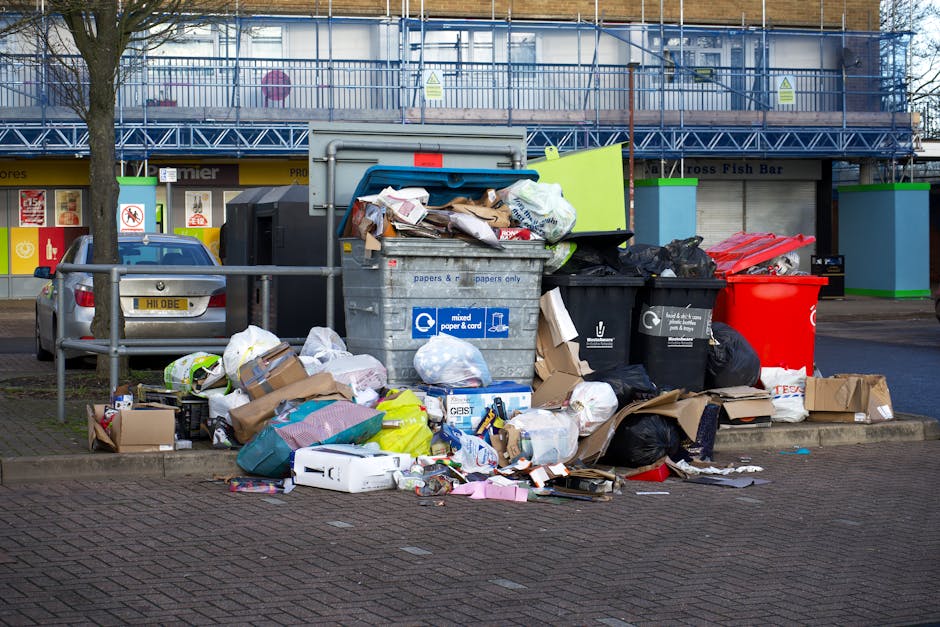
Ridley Road market rubbish clearance tips for Dalston E8
If you've ever stood near Ridley Road with a pile of boxes, broken display bits, old packaging, or leftover market waste and thought, "Right, how on earth do I clear this without making a mess of the pavement?", you're in the right place. Ridley Road market rubbish clearance tips for Dalston E8 are not just about getting rid of waste quickly. They're about keeping trade moving, staying on the right side of local expectations, and avoiding the kind of headache that comes from leaving rubbish in the wrong place at the wrong time.
Whether you're a trader, a shopkeeper nearby, a cafe owner dealing with end-of-day waste, or someone helping clear a market stall after a busy session, the same basic problem keeps coming up: stuff accumulates fast, space is tight, and the route from "just for now" to "this is in the way" can be very short. Truth be told, that's exactly why a sensible clearance plan matters.
Below you'll find a practical guide to planning, sorting, and clearing market rubbish around Dalston E8 with less stress and more control. You'll also find tips on timing, compliance, waste separation, and when a professional clearance service starts to make far more sense than a DIY run. If you also need support with broader local waste problems, it can help to read about rubbish removal in Dalston and how that fits into a regular clearance routine.
Table of Contents
- Why Ridley Road market rubbish clearance tips for Dalston E8 Matters
- How Ridley Road market rubbish clearance tips for Dalston E8 Works
- Key Benefits and Practical Advantages
- Who This Is For and When It Makes Sense
- Step-by-Step Guidance
- Expert Tips for Better Results
- Common Mistakes to Avoid
- Tools, Resources and Recommendations
- Law, Compliance, Standards, or Best Practice
- Options, Methods, or Comparison Table
- Case Study or Real-World Example
- Practical Checklist
- Conclusion
- Frequently Asked Questions
Why Ridley Road market rubbish clearance tips for Dalston E8 Matters
Ridley Road is a lively, working market area, and that changes the rules of the game a bit. Waste doesn't sit quietly here. It gets in the way of pedestrians, blocks access, attracts flies if organic material is left too long, and can make a stall or frontage look untidy in a way that customers notice straight away. In a place like Dalston E8, where people are passing through all day, that first impression matters.
Good rubbish clearance also matters because market waste is rarely just one thing. You might have cardboard, plastic wrap, food packaging, damaged crates, broken shelves, and mixed general rubbish all from one trading day. If those items are handled badly, the result can be slower clean-up, more lifting, and more trips back and forth. Nobody needs that at 6pm when everyone is keen to get home and the light is fading.
There's also a neighbourhood reality to think about. Market areas tend to run on tight schedules. If waste is left out too early, too late, or in the wrong stack, it can create friction with neighbours, customers, or other traders. So the point of good clearance tips isn't just cleanliness. It's smoother operations and fewer avoidable problems.
For traders who handle waste regularly, a simple process can make the whole site feel more manageable. That can be especially useful if you also run nearby premises and want a joined-up approach to clearing interiors, storage areas, and front-of-house waste. In that broader sense, it may help to compare market clearance with commercial rubbish removal, especially if your rubbish comes from a business rather than a one-off household job.
Expert takeaway: In a busy market setting, the best clearance plan is usually the simplest one that staff can follow under pressure. If it takes too many steps, it tends not to happen on a wet Thursday evening when everyone is tired. Simple wins.
How Ridley Road market rubbish clearance tips for Dalston E8 Works
At a practical level, market rubbish clearance usually follows a basic pattern: sort, bag, stack, move, and dispose. The trick is doing each step in a way that suits a busy local street, limited storage, and the kind of waste market traders actually produce.
Here's how it tends to work in real life:
- Sorting on the spot: Items are separated into cardboard, recyclables, general waste, food waste, and bulky bits where possible.
- Containment: Waste is placed into sacks, bins, cages, or bundled neatly so it doesn't spill while being moved.
- Timing: Waste is taken out when it is least likely to block customers or pedestrian flow.
- Collection or transport: Depending on the setup, the waste is either collected by a service or moved by the trader to an approved disposal route.
- Final check: The area is swept, hazards are removed, and the space is left ready for the next trading period.
That sounds straightforward, but the details matter. For example, a stack of flattened cardboard tied badly can become a windblown nuisance in seconds. A bag of mixed waste left under a stall overnight can smell unpleasant by morning. A broken crate left near a doorway can trip someone. Small stuff, yes. But these small things are often what causes the bother.
If you're dealing with repeat waste rather than a single clear-out, a regular service can be worth considering. Many traders and local businesses look at options like commercial waste removal when the volume becomes too unpredictable for ad hoc solutions.
And just to be clear: "works" here doesn't mean one universal method. It means setting up a routine that fits your space, your trading hours, and the type of waste you produce. That's the real win.
Key Benefits and Practical Advantages
A solid rubbish clearance routine around Ridley Road brings more than a tidy look. The benefits are practical, and often immediate.
- Safer walkways: Less clutter means fewer trip hazards for staff, customers, and passers-by.
- Better presentation: A cleaner frontage makes stalls and shops feel more inviting.
- Faster turnaround: When waste is sorted early, closing time gets easier.
- Reduced smell and mess: Especially important where food packaging or organic waste is involved.
- Better space use: Efficient clearing keeps storage areas usable, not buried under chaos.
- Lower stress: Let's face it, nobody wants to spend half an hour hunting for where the old boxes went.
There's a less obvious advantage too: consistency. If the same waste pattern is handled well each week, staff stop improvising. They know what goes where, who moves what, and which bits need extra care. That alone can save a surprising amount of time.
For larger premises or mixed-use spaces, it may also help to combine clearance with periodic deeper removals. If you're handling leftover furniture, old fittings, or a bigger mixed load, a more targeted service such as house clearance in London can sometimes be the nearest fit, even for some small-business situations where the waste looks more like a room clear-out than a normal bin job.
And yes, having less clutter feels better. That sounds obvious, but in a busy part of Dalston, a clear space can be the difference between calm and constant little disruptions.
Who This Is For and When It Makes Sense
This topic is relevant to more people than you might think. If your day involves moving stock, setting out tables, unpacking deliveries, clearing food packaging, or getting a stall ready before the first customer arrives, you're probably already dealing with rubbish as part of the job.
Ridley Road market rubbish clearance tips for Dalston E8 are especially useful for:
- market traders who produce mixed daily waste
- shop owners with rear access or service-yard rubbish issues
- cafes and food vendors near the market
- landlords or managing agents dealing with tenant turnover
- event organisers using temporary trading spaces
- anyone clearing bulky leftover items after a refit or seasonal reset
It also makes sense when your normal bin routine is no longer enough. Maybe the bins are full before the day ends. Maybe cardboard gets soaked in the rain and becomes awkward to handle. Maybe the storage room has become a sort of accidental archive of broken things. It happens. More than people admit, really.
If the issue is occasional but annoying, a one-off clearance may be enough. If it's part of your weekly rhythm, you may need a more structured arrangement. That's where planning saves money, not just time.
For businesses trying to manage a mix of general, bulky, and recurring waste, browsing related support pages like rubbish removal in Hackney can help you think through what kind of clearance model is likely to suit your area and workload.
Step-by-Step Guidance
If you want rubbish clearance to feel manageable rather than chaotic, follow a simple sequence. Nothing fancy. Just a clean routine.
- Walk the site first. Before lifting anything, look at what actually needs to go. Separate cardboard, food waste, mixed rubbish, and bulky items.
- Identify the awkward pieces. Broken panels, sharp edges, heavy boxes, wet packaging, and anything contaminated should be flagged early.
- Gather the right containers. Use sturdy sacks, crates, bins, or straps so waste doesn't escape while being moved.
- Flatten and compact where safe. Cardboard should usually be flattened to save space, but don't overfill bags or create unstable stacks.
- Move waste at the right time. Choose a window that avoids peak footfall, delivery congestion, and market setup rush.
- Keep pathways clear. Waste should never block entrances, fire exits, or access routes. That bit is non-negotiable.
- Do a final sweep. Check for staples, tape, broken glass, or slippery residue. This is where a quick 5-minute tidy can save a complaint later.
A good habit is to assign clear roles. One person sorts, another bags, another moves. Even in a tiny team, that tiny bit of structure cuts wasted motion. If you've ever watched two people carry the same awkward box while a third person steps around them muttering "just put it there", you'll know exactly why this matters.
For larger or more complicated loads, it may be worth looking at office clearance in London as a reference point for how organised removal jobs are planned. The setting is different, but the discipline is similar: clear categories, clean access, no guesswork.
Expert Tips for Better Results
Over time, a few small habits make rubbish clearance much easier. These are the sort of practical details that tend to get overlooked in generic advice, but they're the bits that save you trouble.
1. Start sorting before the pile becomes a pile
Once mixed waste is already on the floor, sorting takes longer and gets messier. If you can separate waste at the point of generation, even better. Cardboard in one place, food packaging in another, bulky items somewhere safe. Simple, yes. Effective too.
2. Keep weather in mind
London weather likes to complicate things. A dry cardboard stack can turn soggy fast if a sudden shower rolls in. Wet cardboard is heavier, harder to flatten, and more likely to split. If rain is coming, move material sooner rather than later. A dull grey morning can become a slippery afternoon very quickly.
3. Think in routes, not just piles
Where will waste travel from stall to vehicle, or from storage to collection point? If the route is narrow, shared, or busy, you need a plan. This is especially important on market days when every extra movement creates a bit of friction.
4. Use the right strength of bag or container
Cheap sacks fail at the worst moment. Then you're sweeping up orange peel, tape, and whatever else was in there. Use containers that match the weight and shape of the waste. Bit boring, but worth it.
5. Separate sharp and hazardous bits immediately
Broken glass, nails, blades, or splintered wood should be handled differently from general waste. Even if the volume is small, the risk is real. Wrap, label internally if needed, and keep away from casual handling.
If your clear-outs are becoming bigger or more frequent, speaking to a specialist team can help you avoid ad hoc fixes. For broader waste planning, the service information on rubbish clearance in London can be a useful starting point for understanding how organised removal tends to work.
Common Mistakes to Avoid
Most rubbish problems are not dramatic. They're just the result of small shortcuts that snowball. Here are the usual culprits.
- Leaving waste until closing time: By then everyone is tired, and the job takes longer than it should.
- Mixing everything together: One mixed sack becomes three times harder to deal with later.
- Overfilling bags or boxes: Heavy loads split, tip, or become unsafe to lift.
- Blocking access routes: This is where complaints and hazards tend to start.
- Ignoring damp or food-contaminated waste: It can smell, leak, and attract unwanted attention.
- Assuming someone else will move it: Ah yes, the famous "it'll sort itself out" strategy. Rarely a classic.
Another mistake is failing to match the removal method to the waste type. A few bags of mixed rubbish is one thing. Bulky shop fittings, end-of-season display boards, or old storage furniture are another. If you treat them the same, the whole process becomes clumsy.
There's also the timing issue. In a busy local market area, being "a little late" can mean showing up during the busiest flow of foot traffic. That's when waste handling becomes annoying for everyone.
Tools, Resources and Recommendations
You don't need a warehouse full of specialist gear to manage waste well. But a few basic tools make a big difference.
- Heavy-duty refuse sacks: Better for mixed or heavier waste than thin domestic bags.
- Flat-pack boxes or crates: Useful for keeping lighter items contained during movement.
- Gloves and eye protection: Especially handy when dealing with sharp edges or dusty material.
- Hand truck or sack truck: A small thing that saves your back. Worth it, honestly.
- Label tape or marker pens: Helpful for identifying contents and separating waste types.
- Broom and dustpan: Never glamorous, always useful.
For local business owners, a sensible waste routine can also sit alongside other property maintenance tasks. If your space needs periodic deep clearing, clutter removal, or tenancy handover work, you may want to review end of tenancy clearance in London as a useful comparison for how structured clear-outs are handled.
In day-to-day terms, the most valuable resource is probably a documented routine. Who sorts what, when bins go out, where bulky waste is staged, and who checks the final area. It sounds basic because it is basic. That's why it works.
Law, Compliance, Standards, or Best Practice
Waste handling in the UK should be approached carefully and sensibly, especially in a busy public-facing area. You do not need to memorise every rule to be compliant, but you do need a responsible process.
As a practical matter, that means:
- not leaving waste where it obstructs public access
- storing rubbish so it does not create a nuisance
- keeping potentially hazardous items separate
- using a lawful disposal route for commercial waste
- making sure anyone handling the waste understands basic safety
If your waste is commercial rather than domestic, it should be treated as such. That usually means more care over segregation, storage, and collection. For food-related waste, the hygiene side matters too, especially in a market environment where smells and spills can become obvious quickly.
Best practice in a place like Dalston E8 is to keep the site tidy enough that waste never becomes the story of the day. In other words: the rubbish should disappear quietly, not announce itself to the whole street.
When you're unsure about what can be removed together or what needs separate handling, it is safer to pause and ask than to guess. That small pause can prevent a much bigger problem later.
Options, Methods, or Comparison Table
There are several ways to handle rubbish clearance around Ridley Road, and the best one depends on volume, timing, and the type of waste involved. Here's a practical comparison.
| Method | Best for | Pros | Limitations |
|---|---|---|---|
| DIY bagging and binning | Small daily waste | Low cost, simple, flexible | Time-consuming, limited for bulky items |
| Scheduled collection | Regular commercial waste | Predictable, easier to manage | Needs planning and storage space |
| One-off clearance | Bulky, mixed, or accumulated rubbish | Fast reset, less manual handling for you | Not ideal for ongoing waste streams |
| Specialist clearance service | Heavy, awkward, or larger loads | Efficient, safer, more organised | Usually the most expensive option |
There's no single "best" method for everyone. A small market trader might only need careful bagging and regular collection. A business doing a refit, on the other hand, may need a proper team to clear bulky items, packaging, and leftover fixtures. Different job, different answer.
One helpful way to decide is to ask: is this routine waste, or is this a clearance event? That one question saves a lot of confusion. If it feels like a proper clear-out, treat it like one.
Case Study or Real-World Example
Imagine a small trader near Ridley Road setting up for a busy Saturday. By lunchtime, they've got flattened cardboard, food packaging, a few damaged crates, and a bag of general waste collecting near the back of the stall. Nothing dramatic. Just the usual build-up.
At first, everything gets put in one spot "for now". By mid-afternoon, the spot has turned into a bottleneck. Staff are stepping around it, customers are squeezing by, and the cardboard has started to soften from a light shower. Nothing is broken, but the area feels untidy and a bit tense.
The fix is straightforward once the team gets organised: cardboard flattened earlier, wet waste bagged separately, a crate set aside for bulky bits, and the removal route kept clear until the end of the session. The final sweep takes less time than expected, and the stall closes down with far less stress.
That sort of scenario is common. Not because people are careless, but because busy trading days push waste management to the edge of attention. Once the routine is adjusted, the whole thing becomes easier. One small change, really, but it makes the day feel calmer.
If the waste had included old fittings or larger non-routine items, a more organised service like garage clearance in London might have been a closer match for the job, especially if storage or back-room clutter was also part of the problem.
Practical Checklist
Use this checklist before, during, and after a clearance. It keeps things simple and avoids last-minute chaos.
- Sort waste into clear groups before moving it
- Keep cardboard dry wherever possible
- Separate food waste from general rubbish
- Identify sharp or hazardous items early
- Use strong sacks or containers
- Do not block entrances, exits, or walkways
- Choose a sensible collection or disposal time
- Check that nothing has spilled or broken during movement
- Sweep the area after the waste is gone
- Review what caused the pile-up so it is easier next time
If you're running a recurring operation, print this list or keep it in a staff folder. Small routine, big payoff.
Conclusion
Ridley Road market rubbish clearance tips for Dalston E8 come down to one practical idea: don't let waste management become an afterthought. In a busy market area, good clearance habits protect safety, save time, and keep your space looking like it's under control even on the busiest day.
The best approach is usually the one that fits your real working pattern. Sort early, keep routes clear, handle bulky or awkward items properly, and don't wait until everything is already in the way. That's the difference between a quick tidy-up and a full-blown wrestle with cardboard and bags at the end of a long shift.
For many traders and local businesses, the next sensible step is simply reviewing whether their current waste routine still fits the volume they produce. If it doesn't, a more structured clearance plan is probably overdue. And that's fine. Happens all the time.
Get a free quote today and see how much you can save.
When the rubbish is handled well, the whole place feels lighter. A little calmer. A bit easier to work in. And sometimes that's exactly what a busy corner of Dalston needs.
Frequently Asked Questions
What is the best way to clear rubbish from a market stall?
The best way is usually to sort waste as you go, keep cardboard separate, bag general rubbish securely, and move everything at a planned time when foot traffic is lower. A simple routine beats a rushed clean-up every time.
Can I leave market rubbish out overnight in Dalston E8?
It is usually best not to leave waste sitting out unless you are certain it is allowed and properly contained. Overnight waste can create smell, mess, and access problems. If in doubt, use a more controlled collection or storage method.
How do I deal with bulky waste from a stall or shop near Ridley Road?
Bulky waste should be separated from everyday rubbish and handled with a method that suits its size and weight. That may mean a one-off clearance service or a more structured removal plan if the items are too awkward for normal bins.
What type of waste is most common in market clearances?
Cardboard, packaging, mixed general waste, food waste, broken crates, and occasional bulky items are all common. The exact mix depends on the stall or business, but cardboard is usually one of the biggest recurring volumes.
How can I stop rubbish building up during a busy market day?
The simplest fix is to create mini clear-out moments during the day rather than leaving everything until the end. A quick sort and bagging routine at set times can stop the pile from becoming unmanageable.
Is commercial waste handled differently from household waste?
Yes, commercial waste is generally managed more carefully in terms of storage, separation, and disposal. If your rubbish comes from a business, it should be treated as commercial rather than mixed into domestic-style disposal habits.
Do I need special containers for market rubbish?
Not always, but strong sacks, crates, bins, or tied bundles are often much safer and easier to move than loose items. The right container depends on what you're throwing away and how heavy it is.
What should I do with sharp or broken items?
Sharp or broken items should be isolated straight away, wrapped or contained securely, and kept separate from general waste. That reduces the risk of injury during handling and movement.
How do I know whether I need a one-off clearance or regular waste removal?
If your rubbish appears in a predictable pattern every week, regular removal may fit better. If the waste is the result of a one-time build-up, refit, or seasonal change, a one-off clearance is usually the more sensible option.
What is the main mistake people make with market waste?
The biggest mistake is letting waste wait until the end of the day and then trying to deal with it all at once. That is when bags split, walkways clog, and the whole job feels twice as large as it really is.
How can rubbish clearance help customer experience?
A tidy, uncluttered area feels safer and more welcoming. Customers may not consciously praise clean waste handling, but they definitely notice when the area feels cramped, smelly, or untidy.
What should I check before arranging a clearance service?
Check the waste type, rough volume, access route, timing, and whether anything needs special handling. If you can explain those five things clearly, you'll usually get a much better service match.